Why Tree Trimming Safety Matters When Maintaining Mature Trees
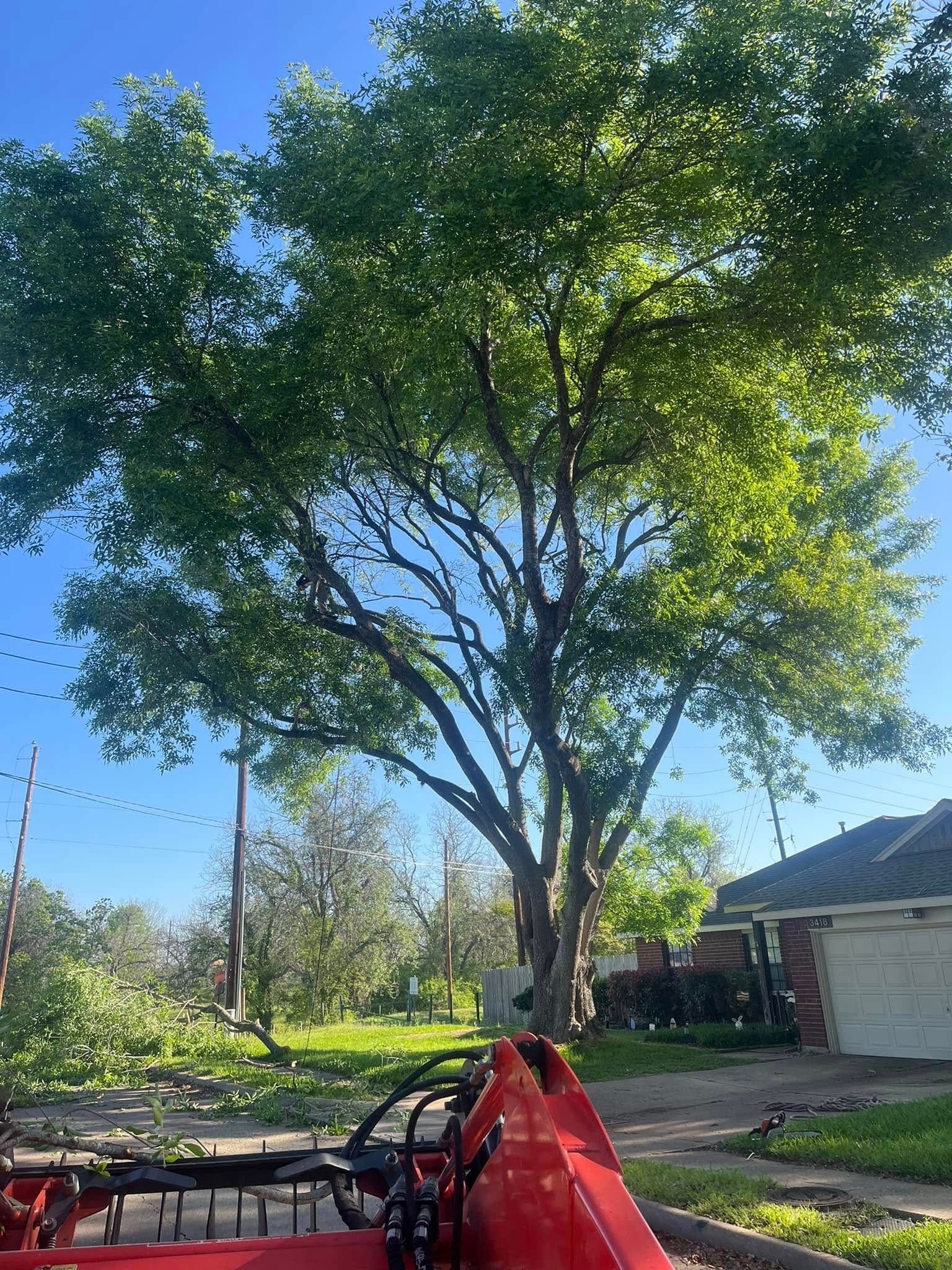
Table of Contents
- Why Safety is Non-Negotiable in Tree Maintenance
- Common Hazards in Tree Trimming
- Essential Tools and Equipment for Safe Tree Work
- Proven Practices for Professional Trimming
- Recognizing When Your Tree Needs Expert Attention
- Conclusion
Key Takeaways
- Prioritizing tree trimming safety protects both people and property.
- Using proper tools and protective equipment minimizes risks.
- Understanding the value of professional trimming keeps mature trees healthy and structurally sound.
Why Safety is Non-Negotiable in Tree Maintenance
When we manage mature tree care, safety isn’t optional—it’s essential. Even a seemingly simple branch removal can become hazardous without the right knowledge and precautions. Mature trees carry weight, hidden rot, and unpredictable branch behavior. Over the years, we’ve seen homeowners attempt DIY trimming, only to face costly damage—or worse, serious injury.
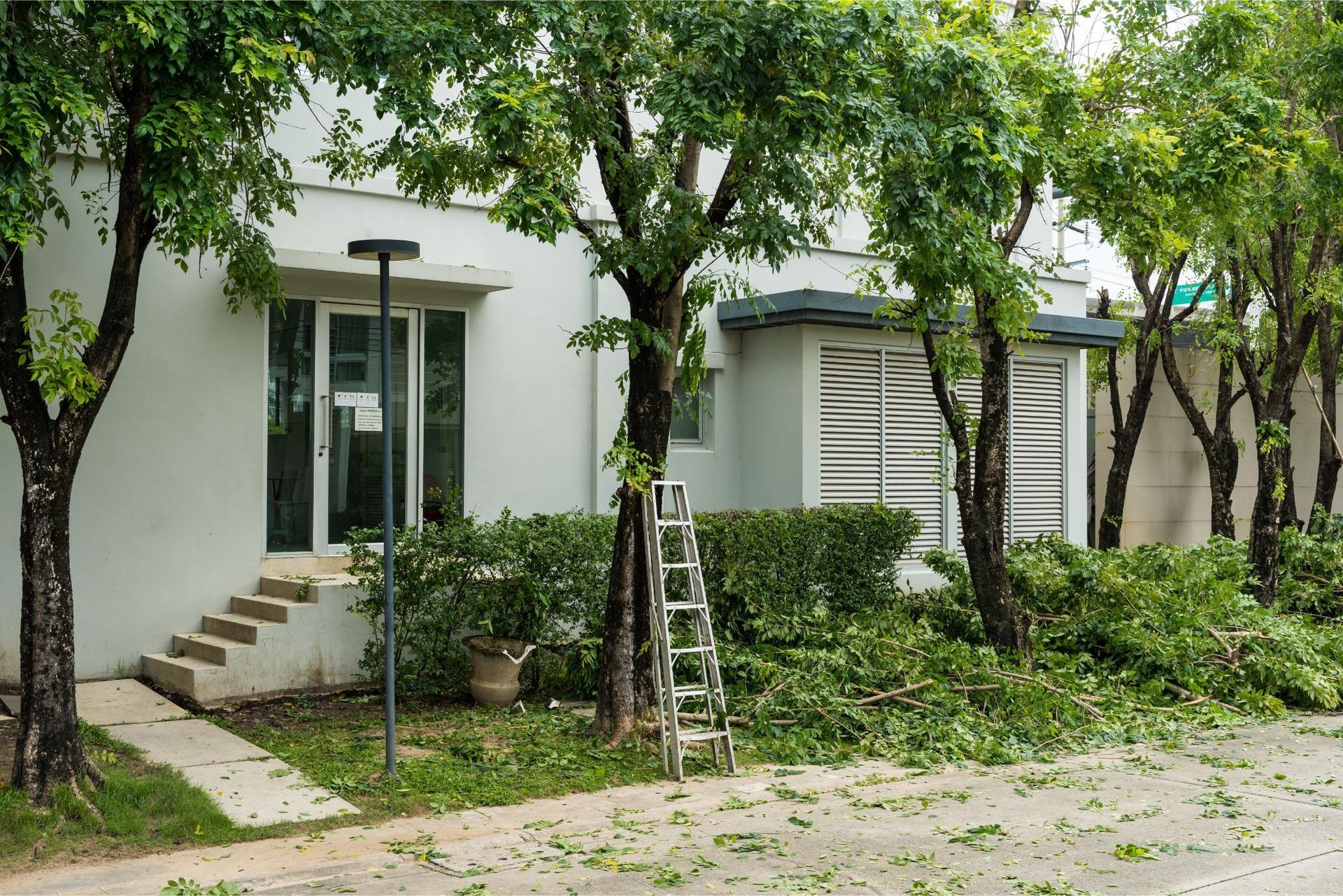
For instance, one client had a large oak with a heavy, split limb hanging over their driveway. Without the right equipment and experience, trying to remove it could have damaged their car or injured someone. Using professional trimming techniques allowed us to safely remove the limb while preserving the tree’s health. Situations like these highlight why proper training, tools, and planning are indispensable. You can learn more about the best time for tree trimming in Rosenberg, TX to optimize safety and results.
Common Hazards in Tree Trimming
Understanding the risks is a key part of tree trimming safety. Here are the most frequent hazards we encounter:
- Falling Branches – Even small branches can fall with surprising force. Misjudging their trajectory can result in property damage or injury. Proper rigging and cutting techniques are vital to control how and where limbs fall.
- Electrical Lines – Trees growing near power lines require extra caution. One wrong cut could be fatal. Whenever we face this scenario, we always consult with local utilities and ensure clearance before starting work.
- Hidden Weaknesses – Mature trees can have unseen decay or cracks. Branches that appear solid may be rotten inside. Inspecting each tree thoroughly before cutting is crucial for mature tree care.
- Improper Equipment Use – Chainsaws, pole pruners, and ladders all carry risks when misused. Personal protective equipment (PPE), combined with proper training, drastically reduces accidents.
Essential Tools and Equipment for Safe Tree Work
We’ve learned that having the right equipment isn’t just convenient—it’s a safety requirement. Here’s what we consider essential:
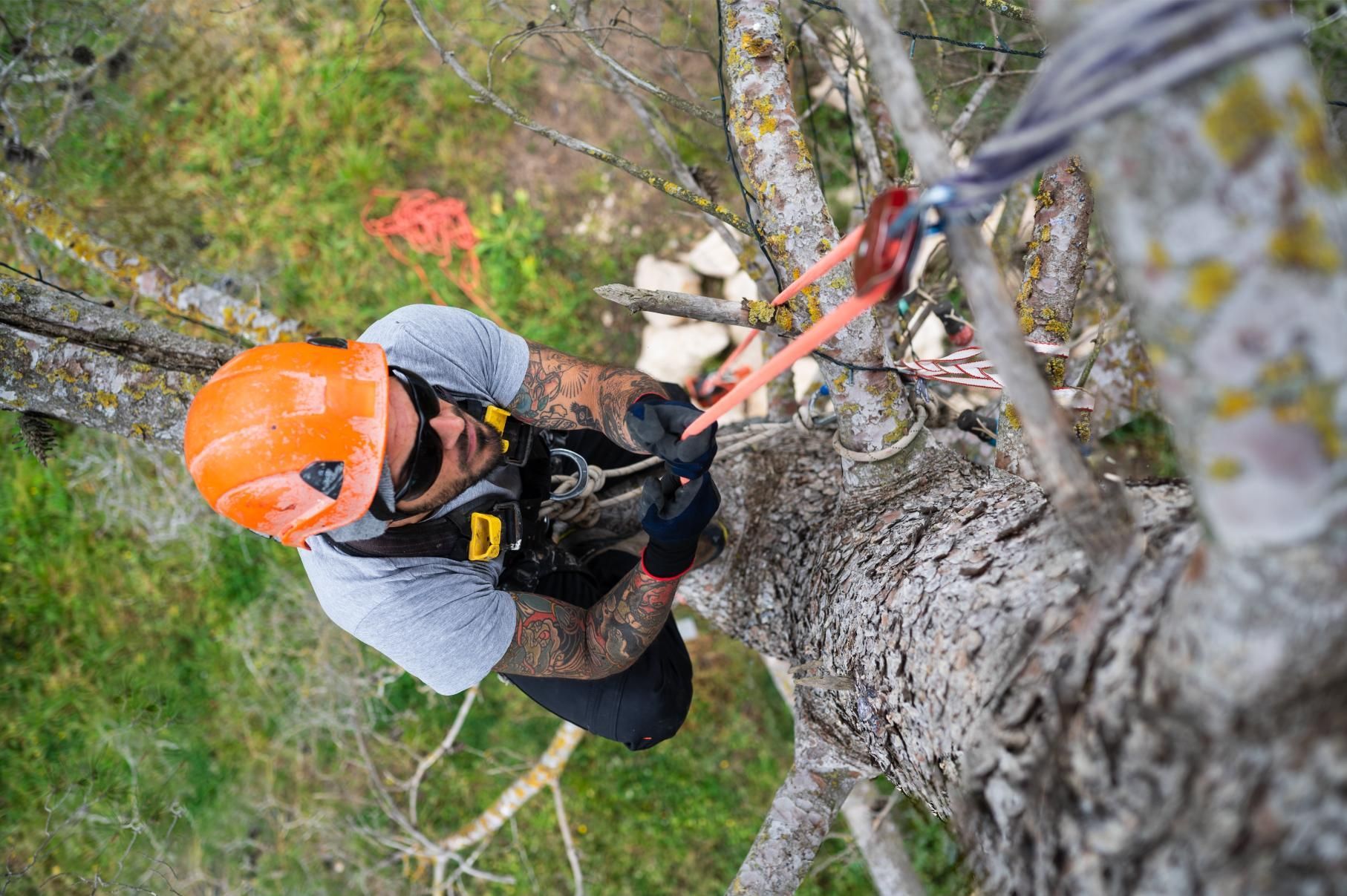
- Protective Gear: Helmets, gloves, safety glasses, and steel-toed boots. Accidents happen in a split second, and PPE can prevent serious injury.
- Proper Cutting Tools: High-quality saws and pruners make precise cuts that promote tree health and reduce hazards.
- Rigging Equipment: Ropes and pulleys allow us to guide large branches safely to the ground.
- Ladders and Climbing Gear: For taller trees, we rely on secure, inspected ladders and harnesses to prevent falls.
Having the right tools also means knowing how to use them. We’ve trained our team to assess each tree, choose the correct approach, and always have a backup plan. This mindset is what sets professional trimming apart from DIY attempts.
Proven Practices for Professional Trimming
Safety and tree health go hand in hand. When we trim, we focus not only on removing hazards but also on promoting long-term vitality.
Here are some practices we follow:
- Assess Before You Cut – Every branch and tree is unique. Before we begin, we inspect the tree’s structure, look for signs of disease, and evaluate potential hazards.
- Use Correct Pruning Techniques – Making the wrong cut can damage a tree permanently. Techniques like the “three-cut method” for large limbs prevent bark tearing and ensure the tree heals properly.
- Work from the Ground When Possible – Minimizing time in elevated positions reduces risk. We often use pole pruners or rigging to manage higher branches safely.
- Avoid Over-Pruning – Removing too much foliage can stress a tree and increase vulnerability to disease. Balanced trimming ensures both mature tree care and structural stability.
- Plan for Emergencies – Accidents are rare but possible. We always have first-aid and communication protocols in place, especially when working on larger or more complex trees.
Over the years, we’ve discovered that homeowners appreciate this approach. Knowing that we’re considering both safety and tree health gives them peace of mind, especially when valuable property is involved.
Recognizing When Your Tree Needs Expert Attention
Not every tree issue can—or should—be handled at home. Some situations clearly call for professional trimming:
- Branches hanging over power lines.
- Trees with visible rot or split trunks.
- Limbs threatening homes, garages, or vehicles.
- Trees damaged by storms or extreme weather.
One memorable example involved a storm-preparedness client whose property had several mature maples with overextended limbs. We identified weak points that could have caused catastrophic damage in high winds. By carefully trimming and cabling these trees, we prevented potential disasters and maintained mature tree care for years to come.
Knowing when to call in experts is just as important as knowing how to trim safely. It saves homeowners time, stress, and potentially thousands in repairs.
Conclusion
Safe tree maintenance isn’t just about trimming branches—it’s about protecting your property, your family, and the trees themselves. Following proper tree trimming safety protocols, using the right equipment, and recognizing when to hire professional trimming services ensures that every mature tree continues to thrive for decades.
At
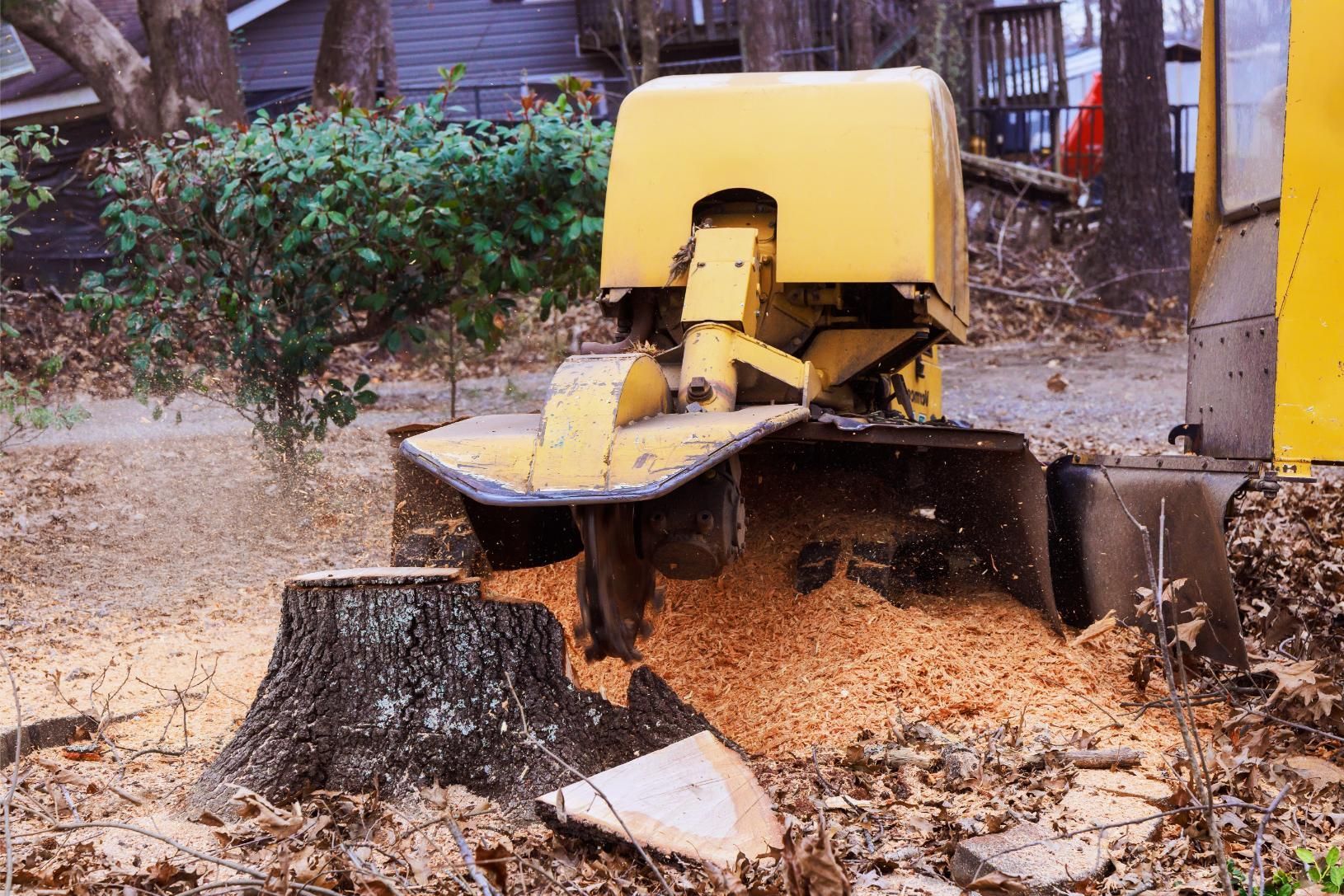
Fulshear Tree Service, we combine experience, expert equipment, and a safety-first approach to provide reliable tree care. Whether you need routine trimming, storm preparation, or stump grinding, we’re here to keep your property safe and your trees healthy. Schedule a consultation today to discuss your tree care needs—our team is ready to provide personalized guidance and professional trimming that prioritizes safety and long-term tree health. Visit our
website here, call us at
(832) 720-3302, or email us at
ocanaslawnservice@gmail.com to get started.
Frequently Asked Questions
Why is tree trimming safety so important?
We prioritize tree trimming safety because even small branches can pose serious risks. Using proper tools, protective gear, and professional trimming techniques ensures our team stays safe while keeping your mature trees healthy.
How do we handle mature tree care safely?
For mature tree care, we carefully assess each tree’s structure, identify weak branches, and use specialized equipment. Our trained team ensures every cut supports the tree’s health while minimizing risk to people and property.
When should we call experts for professional trimming?
We recommend professional trimming when trees have large limbs over structures, visible rot, or damage from storms. Our experience helps prevent accidents and keeps mature trees strong and thriving.
What tools do we use for safe tree trimming?
We use helmets, gloves, chainsaws, pole pruners, rigging ropes, and ladders. Each tool is chosen and handled with care to maintain tree health while ensuring safety during every trimming project.
How often do we perform mature tree care?
We usually schedule routine trimming based on tree type, growth, and seasonal needs. Regular care ensures the tree remains healthy, structurally sound, and safe for your property.
Related Posts