How Tree Cabling Supports Split or Weak Tree Limbs Before They Become Hazardous
Table of Contents
- Why Tree Cabling Supports Matter for Your Property
- Spotting Early Signs of Weak or Split Limbs
- How Tree Cabling Supports Work to Keep Trees Healthy
- Installing and Maintaining Cables: A Practical Guide
- Benefits of Prioritizing Tree Stability
- Safety Considerations: Protecting Trees and People
- Closing Thoughts and Next Steps
Key Takeaways
- Proper tree cabling supports can prevent costly limb failure and property damage.
- Recognizing weakness early allows for proactive tree bracing.
- Well-installed cables preserve tree stability, health, and longevity.
- Professional installation ensures safety, reduces liability, and maximizes results.
Why Tree Cabling Supports Matter for Your Property
We’ve seen it too many times: a beautiful tree that looked strong suddenly loses a limb during a heavy storm. That’s why tree cabling supports are essential—they act like a safety harness for your trees, stabilizing weak or split limbs before they ever pose a hazard. Understanding the importance of tree cabling for tree health can save you thousands in emergency repairs and protect your property from damage. For homeowners and property managers alike, recognizing the top signs your tree needs cabling support ensures that your trees remain safe, healthy, and visually appealing.
When managing commercial properties, rural land, or mature residential yards, keeping trees safe is more than aesthetics. It’s about liability, protecting tenants or family, and maintaining property value. Tree bracing isn’t just an optional add-on; it’s a preventive strategy that can save thousands in emergency tree work and repairs.
Think about it this way: just as we reinforce a building’s structure or secure outdoor equipment before bad weather, tree cabling supports reinforce vulnerable trees so they withstand storms, heavy snow, or simply the natural weight of their own branches.
Spotting Early Signs of Weak or Split Limbs
Knowing when a tree needs support is half the battle. Over the years, we’ve helped countless property managers and homeowners identify risks before they became emergencies.
Here’s what we look for:
- Visible cracks or splits: Even minor cracks in branches or trunks can signal serious structural issues.
- Excessive sway or movement: If a branch moves more than it should during wind, it’s under stress.
- Decay or cankers: Dead or rotting areas weaken limbs and increase the chance of failure.
- Imbalanced limbs: Long, heavy branches that stretch far from the main trunk are more likely to snap under pressure.
We’ve worked with rural landowners who didn’t realize a mature oak had an internal split until a cable inspection revealed the problem. Catching these issues early with tree cabling supports allows us to intervene before a storm turns a healthy-looking tree into a hazard.
How Tree Cabling Supports Work to Keep Trees Healthy
At its core, tree cabling supports is a simple concept executed with precision. We attach flexible steel cables between strong branches or trunks, redistributing stress from weak points. Unlike rigid braces, cables allow trees to move naturally in the wind—this flexibility is crucial because trees grow and respond to environmental pressures.
We often combine cabling with tree bracing, which uses rods or rigid supports to prevent movement in severely compromised limbs. This dual approach provides maximum tree stability while ensuring the tree’s long-term health isn’t compromised.
Here’s a real-world example: one commercial property we managed had a large maple with a split limb threatening a walkway. Installing a set of tree cabling supports redistributed the weight, prevented further splitting, and allowed the tree to continue thriving without sacrificing safety.
Installing and Maintaining Cables: A Practical Guide
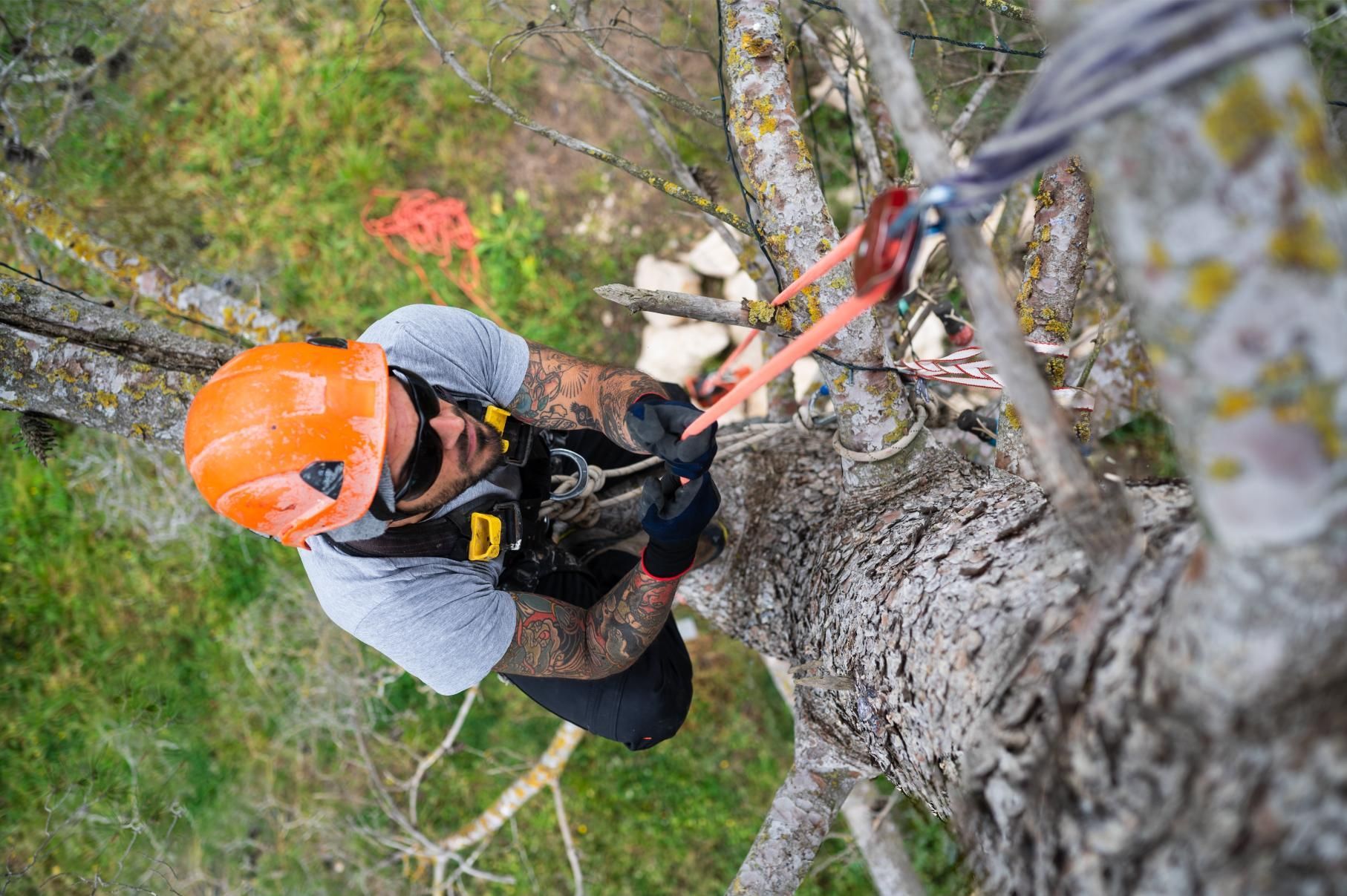
Tree cabling supports isn’t something we recommend attempting without professional expertise. Improper installation can do more harm than good. From our experience, here’s what goes into a proper setup:
- Assessment: We start by examining the tree’s structure, identifying stress points, and checking overall health.
- Selecting anchor points: Cables are secured to healthy branches or trunks. Choosing the right location is critical to avoid unnecessary stress.
- Drilling and installing hardware: Bolts or lag screws anchor the cable, but we take care not to damage the tree’s growth tissue.
- Tensioning cables: The goal is controlled movement. Too tight and the branch can’t grow; too loose and the cable won’t prevent splitting.
- Regular inspections: Trees grow and change, so cables need periodic checks. We adjust tension or replace hardware as needed.
One thing we always tell clients—whether managing an office park, a farm, or a home with large, mature trees—is that inspection and maintenance are just as important as installation. A cable system isn’t “set it and forget it.” It’s a living solution that evolves with the tree.
Benefits of Prioritizing Tree Stability
The advantages of tree cabling supports go beyond just safety. Here’s what we consistently see in properties we maintain:
- Extended tree life: Reducing stress on weak limbs allows trees to thrive longer.
- Property protection: Stabilized branches are far less likely to fall and cause damage.
- Aesthetic value: Trees with secure limbs maintain symmetry and a healthy appearance.
- Peace of mind: Property managers and homeowners gain confidence knowing their trees won’t suddenly pose a hazard.
For commercial property managers, this also translates to fewer emergency calls, smoother operations, and satisfied tenants. For rural landowners, it means fewer disruptions to land use and farm operations. And for older homeowners, it’s a reassurance that their beloved trees won’t threaten safety.
Safety Considerations: Protecting Trees and People
Safety is always at the forefront of our work. Tree cabling supports requires the right equipment, materials, and expertise. Here’s how we ensure safe outcomes:
- Certified arborists only: Professional evaluation and installation reduce risks of injury or tree damage.
- Quality materials: We use cables rated for outdoor stress and environmental conditions.
- Avoiding over-tightening: Trees need room to move slightly for healthy growth.
- Routine inspections: We revisit cabling systems regularly, adjusting for growth or wear.
For property managers especially, this also mitigates liability. If limbs fail on a poorly supported tree, the legal and financial consequences can be severe. A professionally installed cable system protects both people and property.
Closing Thoughts and Next Steps
Trees are more than landscape features—they’re investments in beauty, property value, and safety. With tree cabling supports, we can prevent accidents, extend tree life, and maintain tree stability in any environment, whether that’s a bustling office park, a sprawling farm, or a mature residential yard.
If you notice cracks, decay, or imbalanced branches—or if you just want peace of mind—don’t wait for an emergency. Our team at Fulshear Tree Service can evaluate your trees, recommend solutions, and professionally install tree cabling supports to keep your trees and property safe. Contact us today at
(832) 720-3302, email
ocanaslawnservice@gmail.com, or visit
Fulshear Tree Service to schedule an assessment. Let us help you protect your trees, property, and everyone who enjoys your outdoor spaces.
Frequently Asked Questions
What are tree cabling supports, and why do we use them?
We install tree cabling supports to stabilize weak or split limbs. They act like a safety harness, redistributing stress so trees can withstand storms, heavy snow, and natural growth, keeping both the tree and property safe.
How does tree bracing differ from tree cabling supports?
Tree bracing uses rigid rods to prevent movement in severely compromised limbs, while cabling allows natural flexibility. We often combine both for maximum tree stability without harming long-term health.
How do we know if a tree needs cabling support?
We look for cracks, excessive sway, decay, or imbalanced limbs. Early detection allows us to install tree cabling supports before a limb fails, protecting the tree, property, and people nearby.
How often should we inspect tree cabling supports?
We recommend regular inspections because trees grow and change. Adjusting tension or replacing hardware ensures continued tree stability and the long-term effectiveness of cabling supports.
Can tree cabling supports extend the life of a tree?
Absolutely. By reducing stress on weak branches, tree cabling supports help trees thrive longer, maintain structural integrity, and stay healthy, protecting both aesthetics and property value.
Related Posts