What Tree Problems Should Be Fixed Before Storm Season in Texas
Table of Contents
- Introduction
- Why Storm Season Poses Higher Risks for Trees in Texas
- Common Tree Problems That Should Be Fixed Before Storm Season
- Dead or Dying Branches
- Weak Branch Attachments
- Cracks and Structural Defects
- Tree Diseases and Decay
- Root and Soil Problems
- Trees Too Close to Structures or Utilities
- The Role of a Storm Tree Inspection
- Understanding Emergency Tree Service Situations
- Conclusion
- Book a Tree Service
- Frequently Asked Questions
Key Takeaways
- Certain tree problems increase the likelihood of damage during Texas storms.
- Dead limbs, structural weaknesses, disease, and root issues are common concerns.
- A storm tree inspection can help identify risks before severe weather arrives.
- Emergency tree service is typically needed only after damage or immediate hazards occur.
- Addressing issues early supports safer properties and more stable trees.
Introduction
Tree problems that should be fixed before storm season in Texas include dead branches, weak structure, disease, and root instability, as these conditions can increase the risk of failure during high winds and heavy rain. For homeowners and property owners in areas like Rosenberg, TX, this topic matters because storms can place sudden stress on trees that may already be compromised.
Working with a tree service provider for routine evaluation and awareness of available tree services can help property owners better understand existing conditions before storm activity begins. Understanding which problems to address in advance supports informed decisions, helps reduce avoidable damage, and contributes to safer outdoor environments without relying on reactive measures.
Why Storm Season Poses Higher Risks for Trees in Texas
Texas storm season often brings strong winds, intense rainfall, and saturated soils. These conditions place additional strain on trees, especially those with existing weaknesses.
High winds can exploit poor branch structure or internal decay. Heavy rain can loosen soil around roots, reducing a tree’s ability to stay upright. Heat stress from earlier seasons may also leave trees less resilient by the time storms arrive.
Because these factors combine quickly, tree problems that may seem minor during calm weather can become more serious during a storm, sometimes resulting in the need for emergency tree service after damage has already occurred.
Common Tree Problems That Should Be Fixed Before Storm Season
Dead or Dying Branches
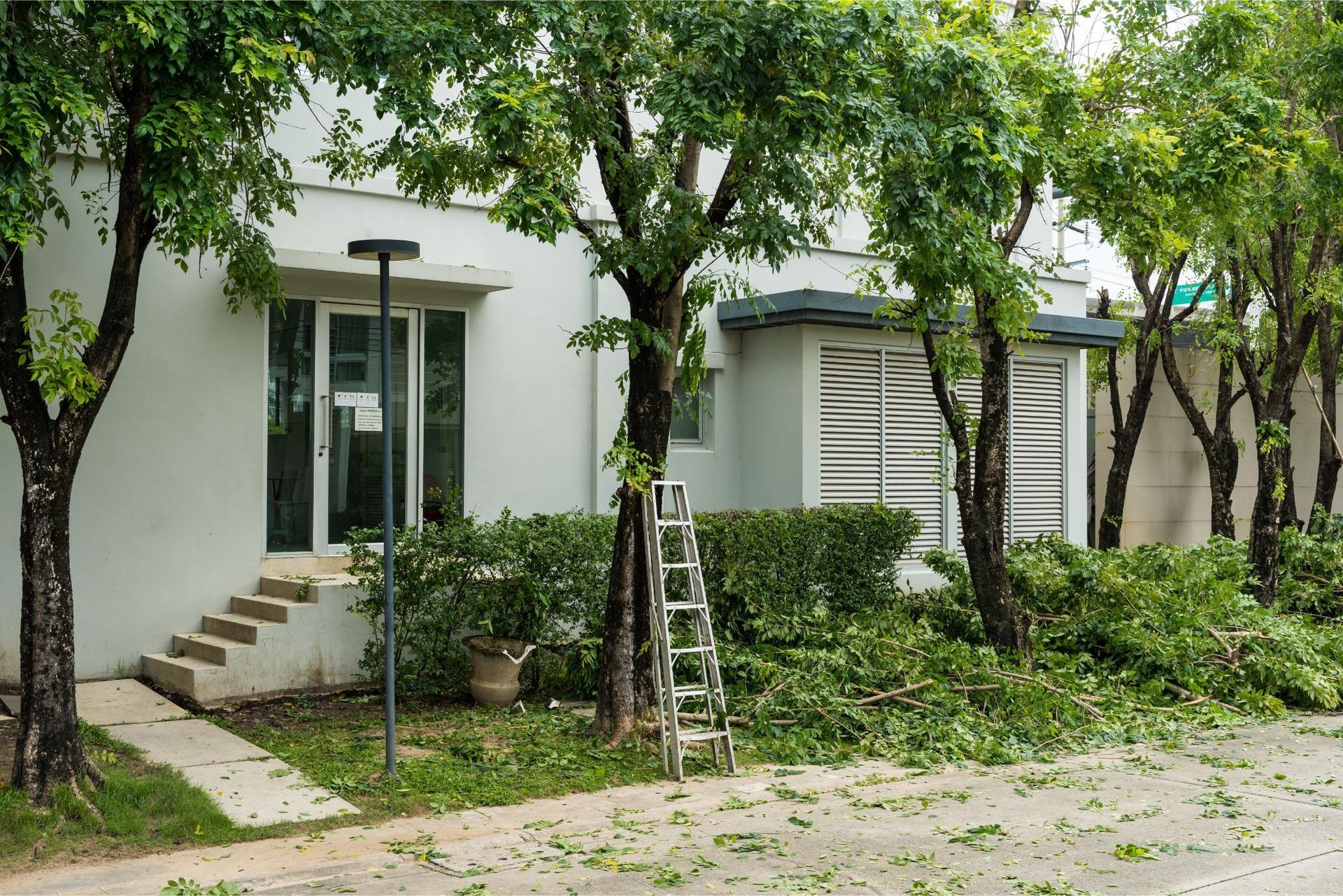
Dead branches are one of the most common tree problems identified during inspections. These limbs no longer have structural strength and are more likely to break under wind pressure.
Falling branches can damage roofs, vehicles, fences, or nearby landscaping. They may also create safety risks for people using outdoor spaces.
Removing dead or dying limbs before storm season reduces the chance of unpredictable breakage and may also help clarify whether additional tree services are appropriate based on the tree’s overall condition.
Weak Branch Attachments
Some branches grow at narrow angles or develop poor attachment points to the trunk. These weak unions are more vulnerable when winds cause trees to sway.
In storms, weakly attached branches may split or tear away from the tree. This can lead to larger wounds that affect the tree’s long-term health.
Addressing these structural issues early allows for corrective pruning rather than reactive removal after damage occurs, which can sometimes influence future tree removal considerations and related planning.
Cracks and Structural Defects
Visible cracks in the trunk or major limbs can indicate underlying structural problems. These defects may be caused by past storm damage, rapid growth, or internal decay. Cracks can worsen under stress, especially during high winds. In some cases, they may signal an increased risk of partial or full tree failure.
Identifying structural defects ahead of time helps property owners understand potential limitations and risks, including how such conditions may factor into tree removal cost considerations if removal becomes necessary in the future.
Tree Diseases and Decay
Diseases, fungal infections, and internal decay weaken wood fibers. While these problems are not always obvious from the outside, signs may include mushrooms at the base, soft spots, or discolored bark.
Trees affected by decay are less able to withstand storm forces. Even if they appear stable in calm conditions, their internal strength may be compromised.
Managing disease early can help maintain overall stability and reduce the likelihood of sudden failures that may otherwise require emergency intervention.
Root and Soil Problems
Roots play a critical role in anchoring trees. Common root-related tree problems include compacted soil, poor drainage, and damaged roots from construction or landscaping. During heavy rain, saturated soil can lose its holding strength. Trees with shallow or compromised root systems may lean or uproot more easily.
Evaluating root conditions before storm season provides insight into how well a tree may perform under stress and whether further assessment is needed as part of a storm tree inspection.
Trees Too Close to Structures or Utilities
Trees growing too close to homes, sheds, fences, or utility lines present additional concerns during storms. Even healthy trees can cause damage if branches or trunks come into contact with structures.
Limited space can also affect root development, increasing instability over time. Assessing spacing and growth patterns helps clarify whether a tree poses a higher risk during severe weather and whether adjustments or monitoring are appropriate.
The Role of a Storm Tree Inspection
A storm tree inspection focuses on identifying tree problems that may increase risk during severe weather. This type of inspection typically evaluates canopy condition, branch structure, trunk integrity, and root stability.
For property owners in Rosenberg, TX, inspections are especially relevant due to the region’s exposure to seasonal storms. An inspection does not predict outcomes but helps clarify existing conditions and potential concerns. Understanding what an inspection can and cannot determine supports realistic expectations and informed planning when evaluating tree health before storm season.
Understanding Emergency Tree Service Situations
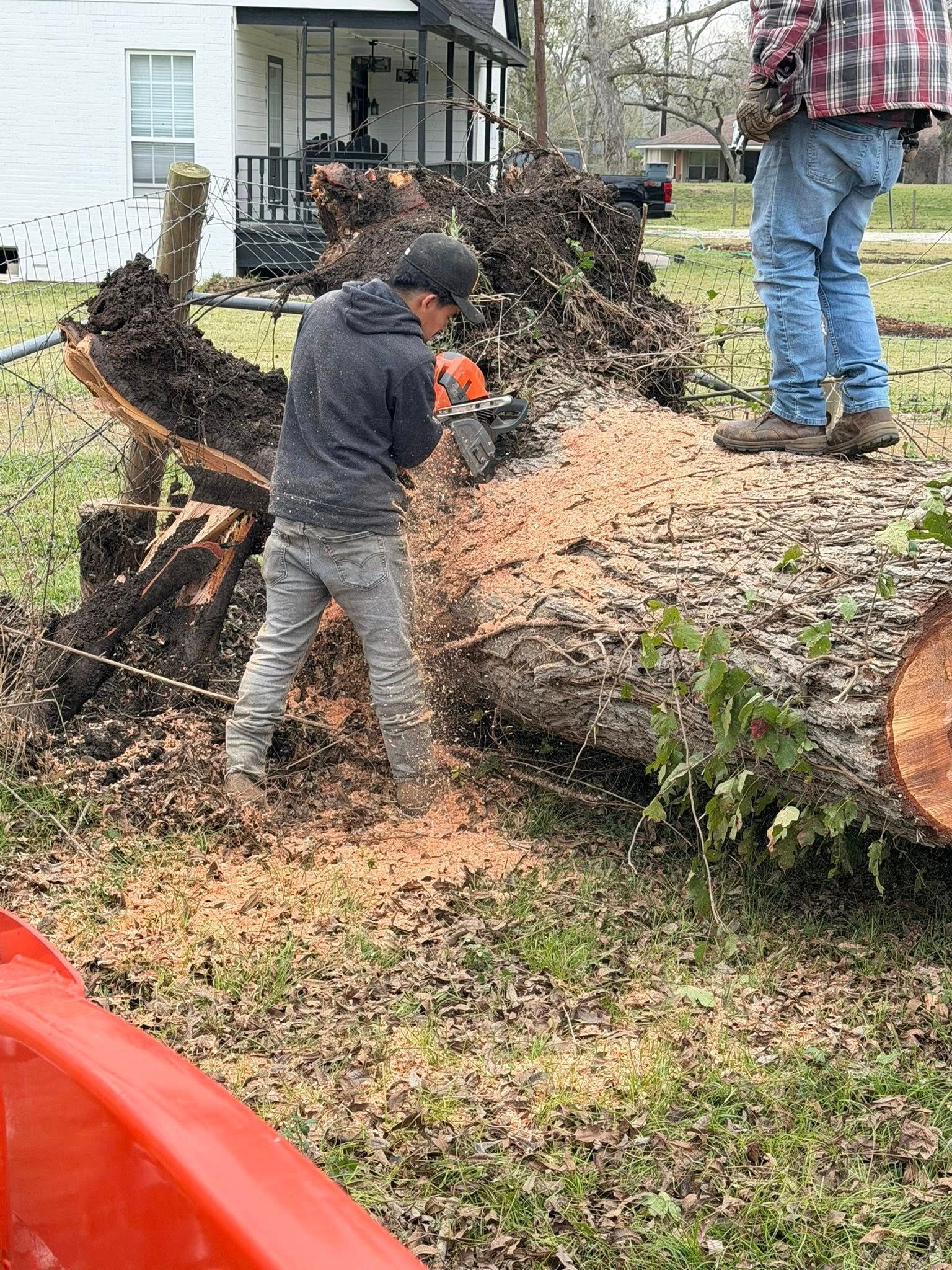
Emergency tree service is generally required after a tree has already failed or poses an immediate hazard. This may include trees that have fallen, split, or are leaning dangerously after a storm.
While emergency services are sometimes unavoidable, addressing known tree problems in advance may reduce the likelihood of urgent situations.
It is important to view emergency tree service as a response measure rather than a preventive solution, especially when proactive inspections and maintenance are available beforehand.
Conclusion
Tree problems such as dead limbs, weak structure, disease, and root issues can increase risks during Texas storm season. By understanding these common concerns, property owners can better evaluate which trees may need attention before severe weather arrives.
A proactive approach centered on inspection and awareness supports safer properties and more resilient landscapes, while recognizing that no action can eliminate all storm-related risks.
Book a Tree Service
If you are seeking clear, professional guidance on tree conditions before storm season, Fulshear Tree Service provides informational support related to tree services in Rosenberg, TX. You can learn more through their tree services page or reach out directly via email at ocanaslawnservice@gmail.com or call us at (832) 720-3302 to request additional details.
This step is intended to support understanding and planning, not to imply specific outcomes.
Frequently Asked Questions
What are the most common tree problems before storm season?
Dead branches, weak branch attachments, structural cracks, disease, and root instability are frequently identified during pre-storm evaluations.
Is a storm tree inspection necessary every year?
Not always, but periodic inspections can be helpful, especially for mature trees or properties with a history of storm exposure.
Can healthy-looking trees still fail during storms?
Yes. Some internal issues, such as decay or root damage, may not be visible without closer evaluation.
What is the difference between routine tree care and emergency tree service?
Routine care addresses known issues under normal conditions, while emergency tree service responds to immediate hazards after damage occurs.
Do tree problems always require removal?
No. Some issues can be managed through pruning or monitoring, depending on the condition and location of the tree.
When is the best time to address tree problems in Texas?
Many property owners choose to evaluate trees before peak storm season, when conditions allow for safer assessment and planning.
Are storm-related tree risks completely preventable?
No. While proactive care can reduce risk, storms are unpredictable, and some damage may still occur despite preparation.
Related Posts