What to Do If You Have a Tree on Power Line Near Your Property
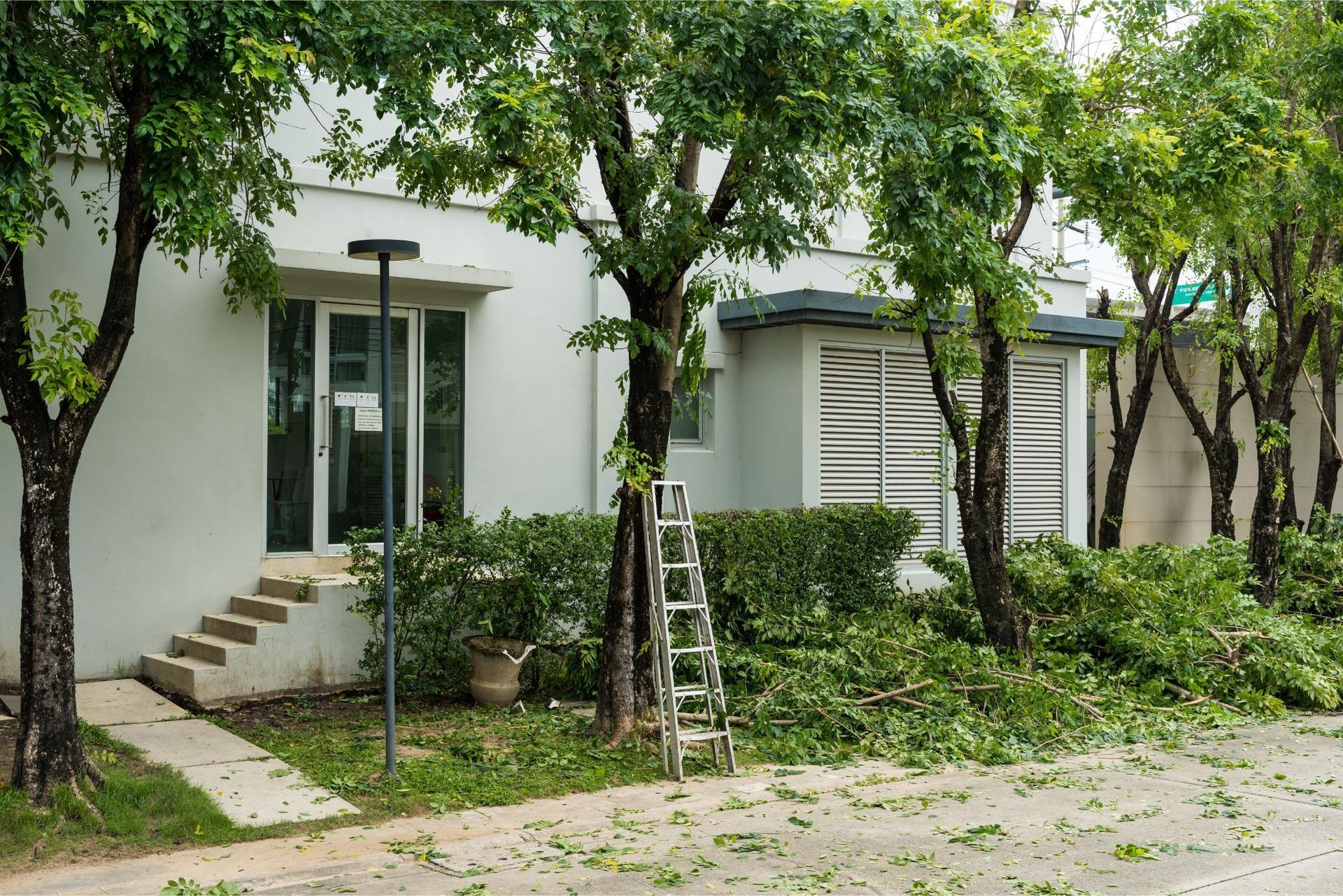
Table of Contents
- Introduction
- Understanding the Risks of a Tree on Power Line
- Immediate Safety Precautions
- Contacting the Appropriate Authorities
- Utility Company Responsibilities
- Certified Tree Services
- Avoiding Common Mistakes
- Preventing Future Incidents
- Trees Growing into Power Lines
- Routine Maintenance and Storm Preparation
- Conclusion
- Book a Tree Service
- Frequently Asked Questions
Key Takeaways
- Trees on power lines can pose serious safety hazards, including electrocution and property damage.
- Homeowners should never attempt to remove or trim a tree touching a live power line.
- The proper course of action involves contacting your local utility company and/or certified tree services.
- Routine tree maintenance and monitoring can reduce the risk of future incidents.
- Clear communication and safety awareness are essential for all property owners near trees and power lines.
Introduction
If you have a tree on a power line near your property, the safest approach is to remain calm, maintain distance, and contact qualified professionals. This situation is important because trees interacting with electrical infrastructure create serious hazards for residents and property. In Rosenberg, TX, where mature trees are common, understanding the correct procedures ensures both safety and compliance with local regulations. Drawing on our experience working with tree services and storm preparation, we aim to provide clear, practical guidance without relying on speculation or guarantees.
Understanding the Risks of a Tree on Power Line
A tree on a power line is not only a potential cause of power outages but also a direct safety risk. Electrical currents can travel through the tree to anyone attempting to touch it, creating a significant electrocution hazard. Additionally, high winds, storms, or the weight of the tree can cause lines to snap or branches to fall, damaging property or vehicles.
In some cases, even branches that are only near a power line can carry electricity if contact occurs during strong wind events. Recognizing these dangers highlights why immediate and careful action is necessary.
Immediate Safety Precautions
Before taking any steps to address a tree on a power line, prioritize safety:
- Keep a Safe Distance: Maintain at least 30 feet from the tree and power line. Electricity can arc through the air, especially in wet conditions.
- Warn Others: Ensure family members, neighbors, and pets are kept away from the area.
- Do Not Touch: Never attempt to trim, shake, or remove branches yourself. Even small contact with a live line can be fatal.
- Secure the Area if Possible: If the tree is near a walkway or driveway, consider marking the area with cones or caution tape to prevent accidental approach.
These precautions are essential for preventing injury or further property damage while waiting for professional intervention.
Contacting the Appropriate Authorities
Handling a tree on a power line requires collaboration between utility companies and certified tree services.
Utility Company Responsibilities
Your first point of contact should always be the local electric utility. In Rosenberg, TX, the utility company is equipped to:
- De-energize or isolate power lines in the affected area.
- Evaluate immediate hazards to surrounding properties.
- Coordinate with certified tree services for safe removal.
When calling the utility company, provide clear information: location of the tree, size, proximity to homes or vehicles, and whether any part of the tree is already damaged or falling.
Certified Tree Services
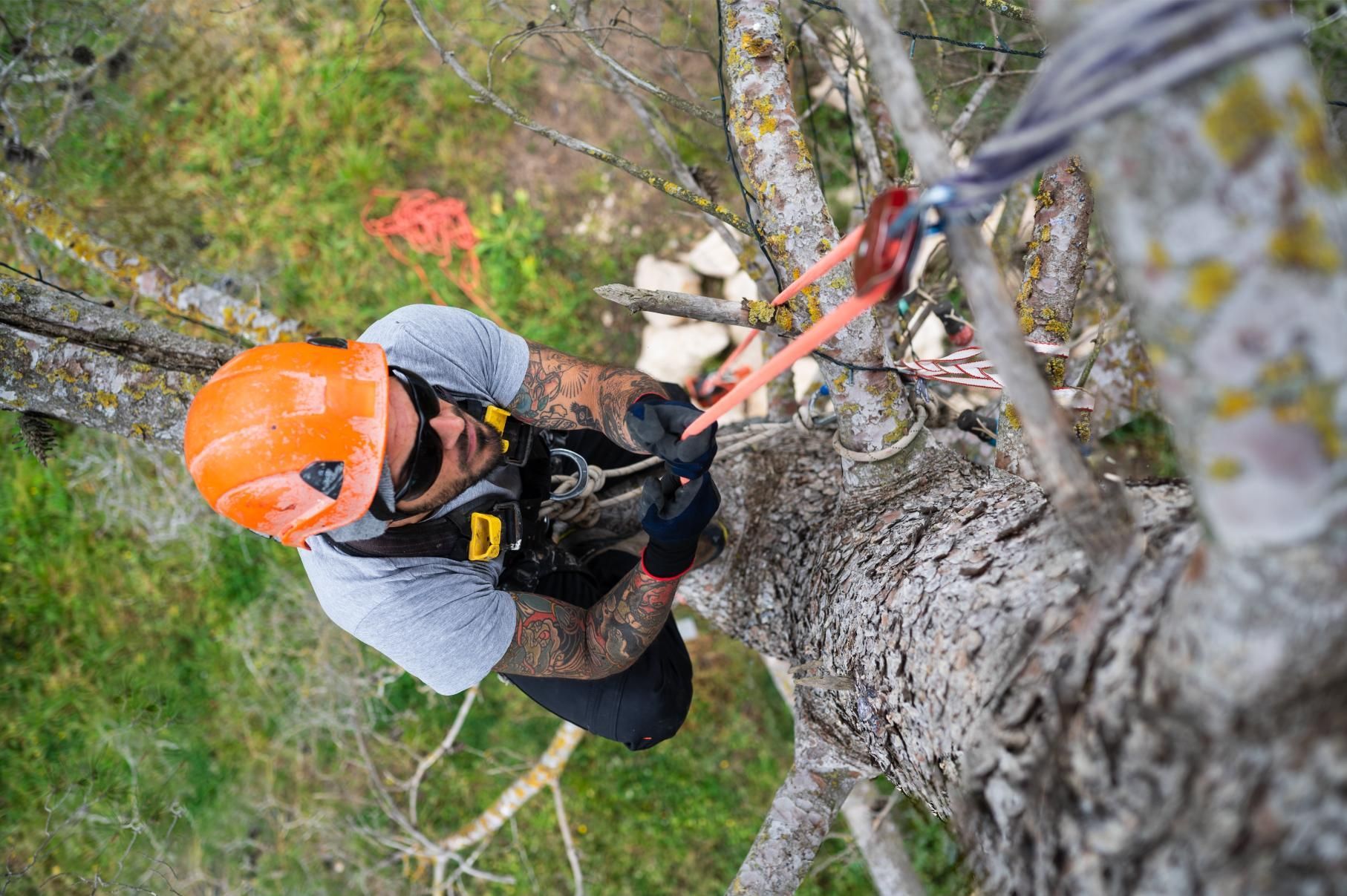
After alerting the utility, certified tree services play a critical role in safe removal. Professionals:
- Use specialized equipment to remove or trim trees near live lines.
- Follow safety protocols for working near electricity.
- Assess the surrounding trees and vegetation to prevent future incidents.
In Rosenberg, TX, companies such as Fulshear Tree Service offer trained arborists who can manage trees on power lines safely and efficiently.
Avoiding Common Mistakes
Homeowners often try to address the issue themselves, which can escalate the risk. Common errors include:
- Using ladders or chainsaws near the tree.
- Attempting to shake or push the tree away from lines.
- Ignoring early signs of branches growing into power lines.
Even seemingly minor contact can result in electrocution, legal liabilities, or further property damage. Following proper procedures reduces these risks significantly.
Preventing Future Incidents
Once a tree has been safely removed or trimmed, homeowners can take steps to prevent recurrence.
Trees Growing into Power Lines
Regular inspection of your property can identify trees growing toward power lines before they become hazardous. This includes:
- Monitoring branch growth near utility poles.
- Pruning branches gradually over time rather than waiting for emergencies.
- Consulting arborists for growth management plans.
Routine Maintenance and Storm Preparation
Storm preparation is particularly important in Rosenberg, TX, where high winds and seasonal storms are common. Practical measures include:
- Removing dead or weak branches that may fall during storms.
- Ensuring trees are spaced appropriately from lines and structures.
- Scheduling professional assessments annually, particularly before storm season.
Storm preparation services offer guidance on trimming, debris management, and tree reinforcement to reduce risks.
Conclusion
A tree on a power line near your property is a serious safety concern. Immediate precautions, notifying the utility company, and working with certified tree services are essential steps. By maintaining awareness of tree growth, routine maintenance, and storm preparation, property owners can reduce hazards while respecting safety regulations and local utility protocols. Careful, informed action is the most reliable way to handle these situations safely.
Book a Tree Service
For professional guidance and safe removal of trees on or near power lines in Rosenberg, TX, contact
Fulshear Tree Service. Certified arborists can provide inspections, trimming, and storm preparation services. Send an email to
ocanaslawnservice@gmail.com or call
(832) 720-3302 for clear, safety-focused support.
Frequently Asked Questions
Can I trim a tree touching a power line myself?
No. Trimming a tree in contact with live power lines is extremely dangerous. Only utility workers or certified arborists should perform this task.
What should I do if a tree fell on a power line?
Stay clear of the area, warn others, and immediately contact your local utility company. Do not attempt to remove the tree yourself.
How far should I stay from a tree on a power line?
A minimum distance of 30 feet is recommended, as electricity can arc through air, especially during wet conditions.
How often should I inspect trees near power lines?
Annual inspections, ideally before storm season, can help detect branches growing into power lines and reduce hazards.
Who is responsible for removing trees on power lines?
Utility companies typically handle power safety, while certified tree services perform the safe removal or trimming. Coordination between both ensures safety and compliance.
Related Posts