What Is Pruning and How It Helps Keep Trees Healthy
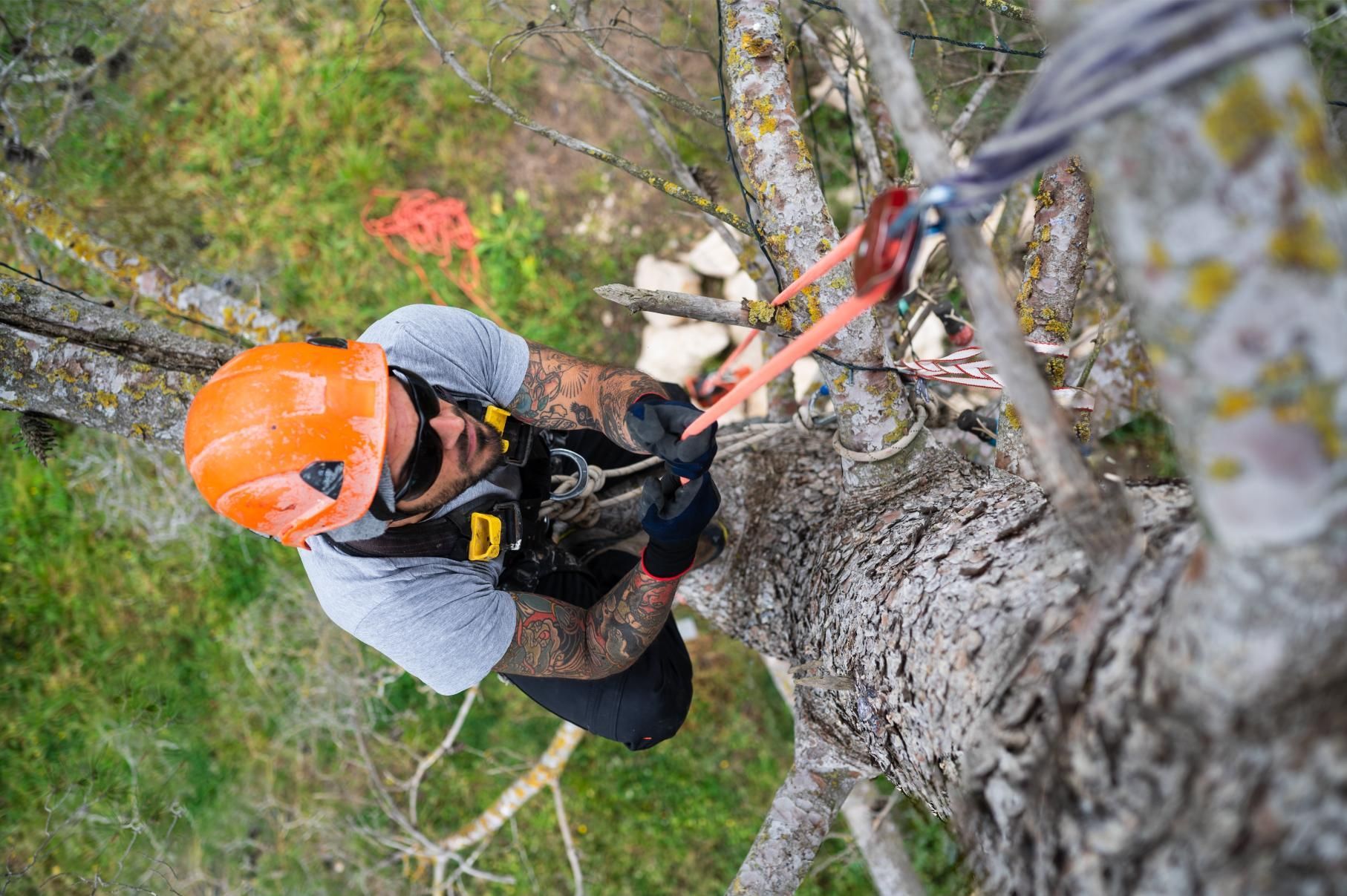
Table of Contents
- Introduction
- Understanding Pruning
- What Does Pruning Mean
- How Pruning Differs from Tree Trimming
- The Importance of Pruning
- Promoting Healthy Growth
- Preventing Disease and Damage
- Enhancing Safety
- Improving Aesthetic Appeal
- Pruning Techniques
- Thinning
- Crown Reduction
- Deadwood Removal
- Structural Pruning
- Timing Your Pruning Activities
- Seasonal Considerations
- Species-Specific Guidelines
- Tools and Safety Considerations
- Conclusion
- Book a Tree Trimming Service
- Frequently Asked Questions
Key Takeaways
- Pruning is the careful removal of specific branches to support tree health, structure, and safety.
- It differs from general tree trimming by focusing on the tree’s long-term growth and structural integrity.
- Proper pruning helps reduce disease, prevent hazards, and improve the appearance of trees.
- Techniques such as thinning, crown reduction, and deadwood removal target specific tree needs.
- Timing and tool use are critical to ensure pruning benefits without harming the tree.
Introduction
Pruning is the practice of selectively removing branches and foliage to maintain a tree’s health, safety, and structure. For property managers, homeowners, and landscapers in Rosenberg, TX, understanding what pruning involves is essential for keeping trees strong, safe, and visually appealing. Informed pruning decisions help reduce the risk of disease, minimize hazards, and support the long-term growth of trees, making it a key component of professional tree care.
Understanding Pruning
What Does Pruning Mean
Pruning means intentionally cutting specific branches or parts of a tree to influence its growth, structure, and health. Unlike simple trimming, which focuses on appearance or minor maintenance, pruning addresses the tree’s overall well-being. Knowing what pruning means allows property managers and homeowners to plan maintenance schedules that promote stronger, more resilient trees.
How Pruning Differs from Tree Trimming
While pruning and tree trimming are sometimes used interchangeably, they serve different purposes. Tree trimming generally refers to the removal of smaller branches or foliage for cosmetic reasons or to maintain a tidy property. Pruning, in contrast, involves strategic cuts that improve structural integrity, manage disease risks, and guide healthy growth. Recognizing this distinction supports more informed decisions when hiring professional services.
The Importance of Pruning
Promoting Healthy Growth
Pruning encourages trees to grow in a balanced, stable manner. Removing weak, crowded, or competing branches helps redirect the tree’s energy toward stronger limbs, ensuring even canopy development. Well-pruned trees often have improved airflow and sunlight penetration, both of which contribute to overall vitality.
Preventing Disease and Damage
Diseased, dead, or damaged branches can spread pathogens or create entry points for pests. By carefully removing these parts, pruning reduces the likelihood of decay and infection. It also mitigates structural weaknesses that could lead to branch failure during storms or high winds.
Enhancing Safety
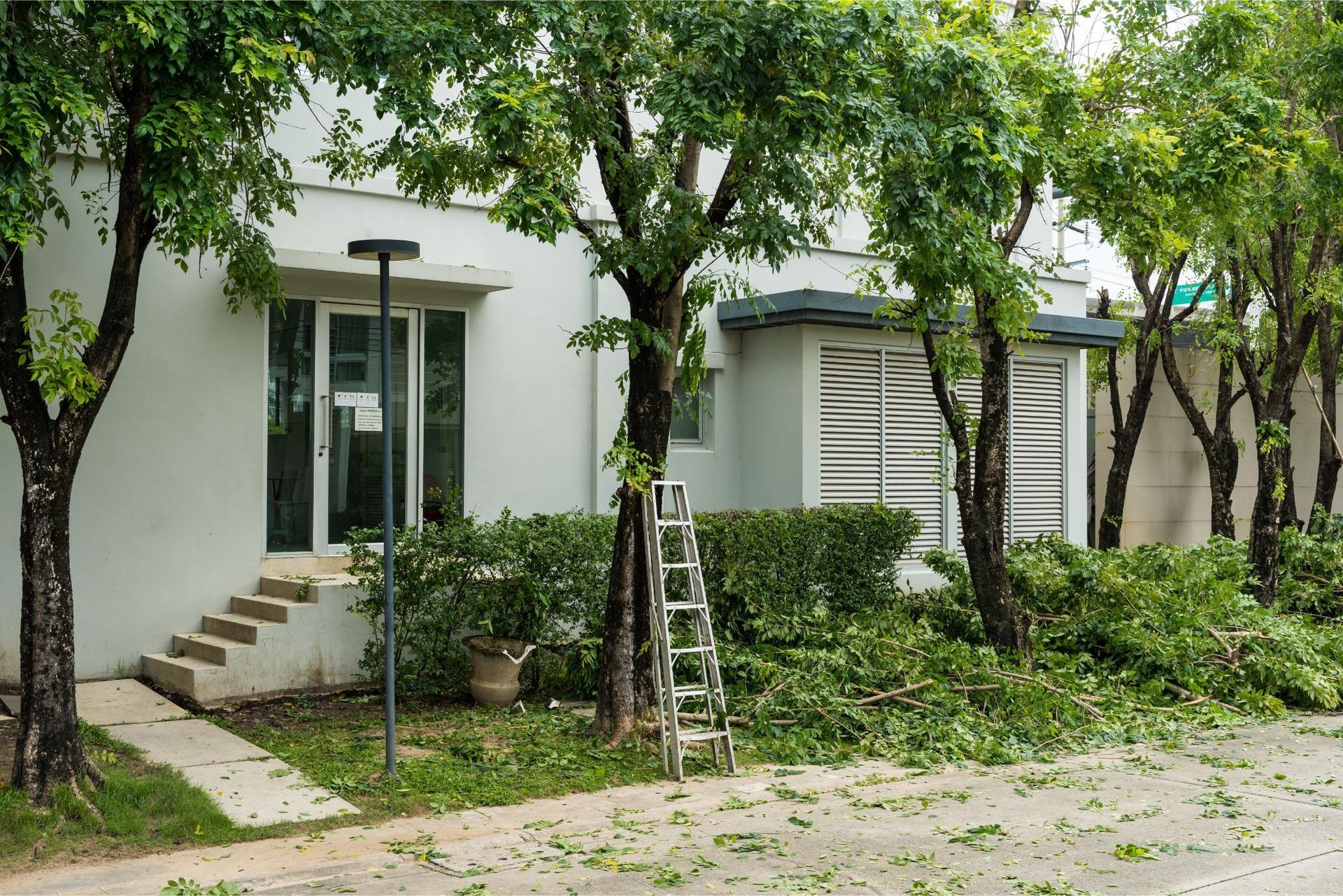
Proper pruning removes branches that could pose hazards to buildings, vehicles, or pedestrians. For commercial properties or residential areas, managing these risks is a critical part of property safety and liability planning.
Improving Aesthetic Appeal
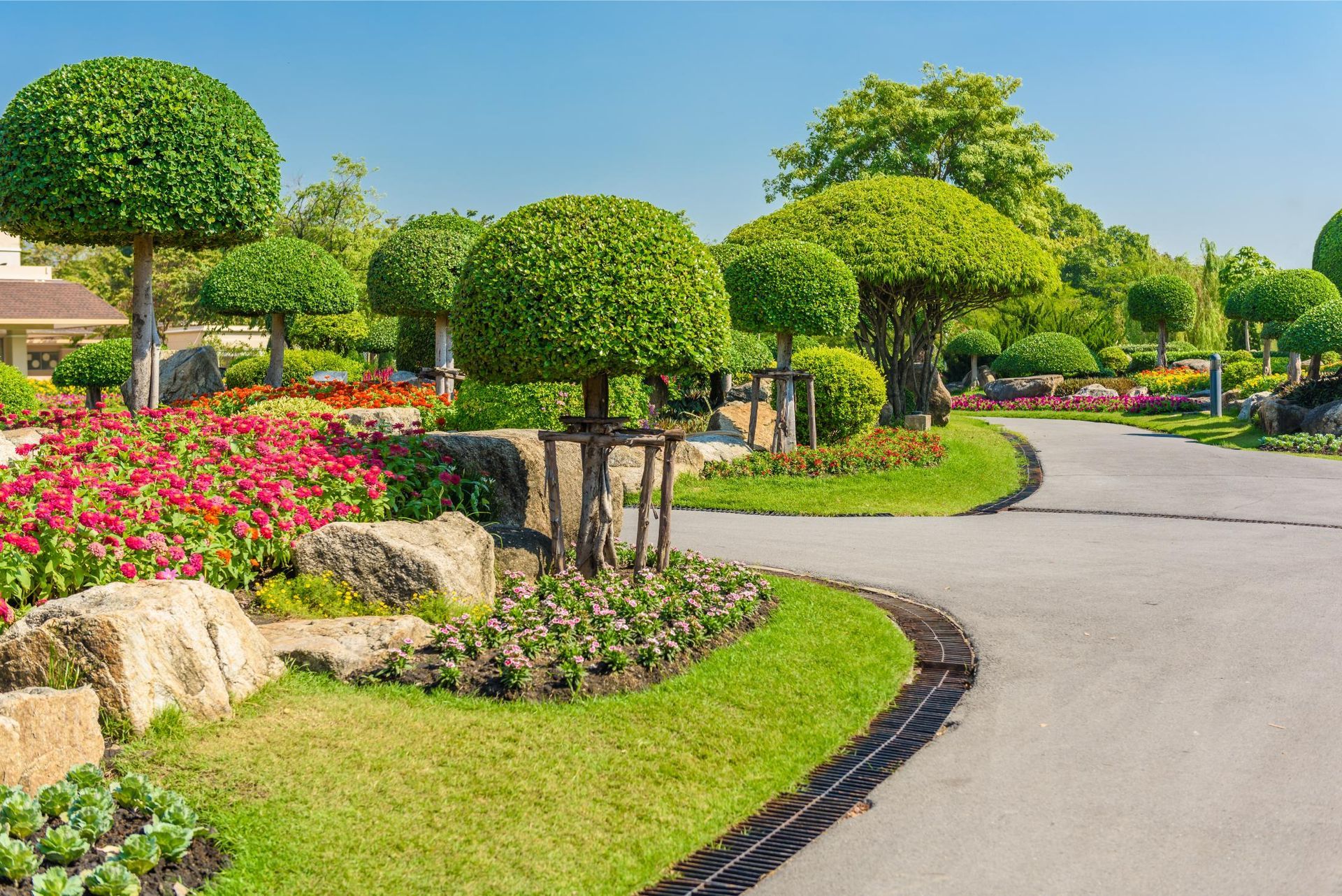
Pruning also plays a role in landscape management. Strategic shaping can enhance a tree’s natural form, improve symmetry, and maintain a tidy appearance. While aesthetics are secondary to health and safety, they remain a practical benefit for commercial and residential properties alike.
Pruning Techniques
Thinning
Thinning involves selectively removing branches to reduce density and increase light and air circulation within the canopy. This method prevents overcrowding and promotes healthier foliage development.
Crown Reduction
Crown reduction reduces the overall size of a tree’s canopy by shortening specific branches. This approach can prevent overgrowth near structures or power lines while maintaining the tree’s natural shape.
Deadwood Removal
Deadwood removal focuses on cutting away dead or decaying branches. This reduces the risk of falling limbs and minimizes disease spread within the tree.
Structural Pruning
Structural pruning emphasizes the development of a strong framework of branches. By guiding growth early, this technique supports long-term stability and reduces the risk of splitting or weak branch unions.
Timing Your Pruning Activities
Seasonal Considerations
The timing of pruning depends on the tree species and the goals of pruning. Many deciduous trees are best pruned during dormancy in late winter or early spring to minimize sap loss and stress. Avoid heavy pruning during active growth periods unless removing dead or hazardous branches.
Species-Specific Guidelines
Different trees respond differently to pruning. For example, flowering trees may require pruning after blooming to avoid reducing flowers, while fast-growing shade trees benefit from structural pruning in early growth stages. Understanding these specifics ensures effective, safe results.
Tools and Safety Considerations
Pruning requires the proper selection of tools such as hand pruners, loppers, and pruning saws. Safety equipment, including gloves, protective eyewear, and sturdy ladders, is essential to minimize injury risks. For larger or high-risk trees, professional arborists with experience in tree trimming and pruning should be consulted to ensure both personal safety and tree health.
Conclusion
Pruning is a targeted practice that promotes tree health, safety, and aesthetic value. By understanding what pruning is, its techniques, timing, and safety considerations, property managers and homeowners can make informed decisions that benefit the longevity and resilience of their trees. Ethical and informed pruning supports sustainable landscaping practices while minimizing hazards and disease risks.
Book a Tree Trimming Service
For professional guidance on pruning and tree trimming in Rosenberg, TX, our team at
Fulshear Tree Service
can help. We provide clear, informed, and safe pruning solutions that prioritize tree health and property safety. Contact us via email at
ocanaslawnservice@gmail.com, or phone at
(832) 720-3302
for clear, professional information about your options.
Frequently Asked Questions
What is the difference between pruning and trimming?
Pruning focuses on tree health, structure, and long-term growth, while trimming mainly addresses appearance or minor maintenance needs.
How often should trees be pruned?
Pruning frequency depends on species, growth rate, and tree condition. Most trees benefit from light pruning annually and more extensive pruning every few years.
Can pruning prevent tree disease?
Pruning removes dead or diseased branches, which helps reduce the spread of pathogens. It is one preventive measure but not a cure for all diseases.
When is the best time to prune trees?
Many deciduous trees are best pruned during dormancy in late winter. Flowering or fast-growing trees may require pruning at different times depending on their growth cycles.
Do I need professional help for pruning large trees?
Large or high-risk trees often require professional arborists to ensure safe, effective pruning and prevent property damage or injury.
Related Posts